
Mastering Forex Trading Techniques
The foreign exchange (forex) market is one of the largest financial markets in the world, offering opportunities for traders to profit from currency fluctuations. However, success in forex trading is not merely about luck; it requires a solid understanding of various trading techniques, strategies, and risk management practices. This article delves into some of the most effective forex trading techniques to help you improve your trading skills and increase your chances of success. If you’re looking for reliable brokers to enhance your trading experience, check out the forex trading techniques Best Ivorian Brokers.
1. Technical Analysis
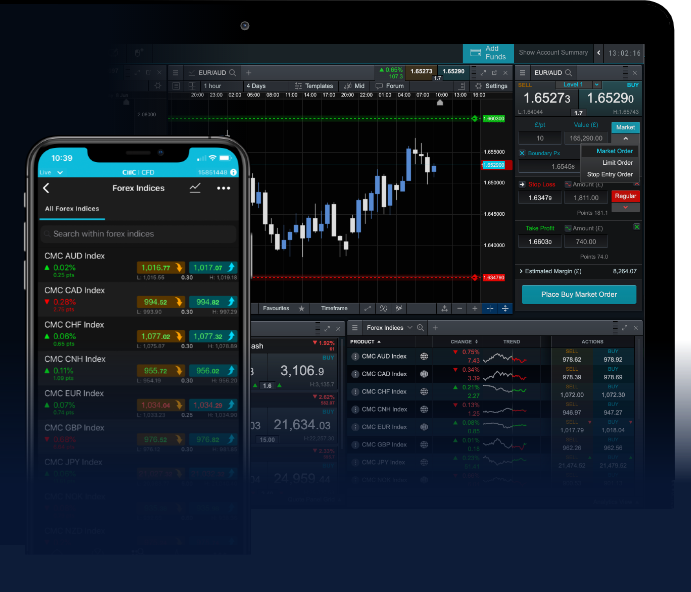
Technical analysis is a core technique used by many forex traders. It involves analyzing historical price data and using various indicators to predict future price movements. Traders often use charts and graphs to visualize price trends and patterns. Key tools in technical analysis include moving averages, Relative Strength Index (RSI), and Bollinger Bands. By mastering these tools, traders can identify entry and exit points, helping them make informed decisions.
2. Fundamental Analysis
While technical analysis focuses on price movements, fundamental analysis delves into economic indicators that can influence currency values. This includes analyzing interest rates, inflation rates, unemployment data, and other economic reports. Forex traders who excel at fundamental analysis can anticipate market movements caused by changes in the economy. For instance, if a country announces a rise in interest rates, its currency might appreciate as investors seek higher returns.
3. Sentiment Analysis

Sentiment analysis refers to gauging the overall market mood and how it can influence currency values. This analysis involves tracking news, social media, and trader behavior to understand what the general sentiment is towards a particular currency pair. A bullish sentiment might suggest that traders expect a currency to rise, while bearish sentiment indicates a potential decline. By incorporating sentiment analysis into their trading strategies, traders can better time their market entries and exits.
4. Risk Management Techniques
Successful forex trading is not just about making profits; it’s also about managing risks effectively. Risk management techniques help traders protect their capital from significant losses. Common risk management strategies include setting stop-loss and take-profit orders, diversifying trading portfolios, and only risking a small percentage of total capital on any single trade. By adhering to these principles, traders can navigate market volatility with greater confidence.
5. Different Trading Styles
Every trader has a unique style that influences their trading decisions. Understanding various trading styles can help traders choose an approach that aligns with their personality and risk tolerance. Some of the most popular trading styles include:
- Scalping: This involves taking small profits over very short timeframes, typically within minutes.
- Day Trading: Day traders open and close positions within the same trading day, avoiding overnight risks.
- Swing Trading: This style is focused on capturing short-term market moves over a few days or weeks.
- Position Trading: Position traders hold trades for longer periods, based on long-term trends and fundamental analysis.
6. Using Forex Trading Signals

Forex trading signals are alerts that help traders make informed decisions by indicating when to buy or sell a currency pair. These signals can be generated by professional analysts or trading algorithms. There are various trading signal services available, and traders can choose to subscribe to one that best meets their needs. Utilizing these signals can save time, especially for those who may not have the expertise to analyze the markets themselves.
7. Backtesting Trading Strategies
Backtesting is a critical process that allows traders to evaluate how a trading strategy would have performed in the past. By using historical data, traders can simulate their trading strategies under various market conditions. This practice not only helps in refining the strategies but also boosts confidence before deploying them in live trading. Many trading platforms provide tools for backtesting, making it easier for traders to examine their approaches meticulously.
8. Continuous Education and Practice
The forex market is dynamic, and successful traders invest time in continuous education. This includes staying updated on economic news, reading books, attending webinars, and participating in trading communities. Additionally, practicing through demo accounts can help traders apply their knowledge and strategies without risking real money. The combination of theoretical knowledge and practical experience is essential for mastering forex trading techniques.
Conclusion
Mastering forex trading techniques requires dedication, patience, and a willingness to learn. By applying technical and fundamental analysis, managing risks, and continuously educating yourself, you can develop a trading approach that enhances your success in the forex market. Remember that success in forex trading is a journey, and continuous improvement is key to unlocking your full potential as a trader. Whether you’re a beginner or an experienced trader, embracing these techniques will serve you well in your trading endeavors.