

In the world of forex trading, having a solid foundation is crucial for success. That’s where demo forex trading comes into play. It serves as a safe environment for new traders to practice their strategies and develop their skills without risking real money. By utilizing demo accounts, traders can gain invaluable experience and confidence before entering the live market. For those looking to explore the best platforms and tools available, consider consulting resources such as demo forex trading Best Argentine Brokers, which can provide insights into reputable brokers in your region.
What is Demo Forex Trading?
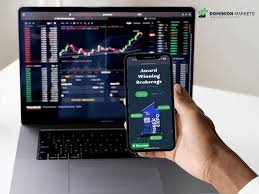
Demo forex trading refers to a practice account offered by many brokers that allows traders to simulate real trading conditions using virtual funds. This means that traders can buy and sell currencies just as they would in the real market, but without any financial risk. These accounts are particularly beneficial for beginner traders, but even seasoned professionals can use them to test new strategies or unfamiliar currency pairs.
Benefits of Using a Demo Account
There are several advantages to utilizing a demo forex trading account:
- Risk-Free Environment: Since no real money is involved, traders can freely experiment without the fear of losing funds.
- Familiarization with Trading Platforms: Traders can explore the features and tools available on different trading platforms, ensuring they are comfortable before going live.
- Strategy Testing: Demo accounts allow traders to test various trading strategies and techniques to determine what works best for them.
- Market Understanding: By practicing with virtual funds, traders can gain insights into market behavior and develop a deeper understanding of how different factors affect currency prices.
- Confidence Building: By successfully executing trades on a demo account, traders can build confidence in their abilities, preparing them for the live market.
How to Get Started with Demo Forex Trading

Getting started with demo forex trading is a straightforward process:
- Choose a Reputable Broker: Conduct research to find a broker that offers a demo account with conditions that suit your needs.
- Open a Demo Account: Sign up for a demo account on the broker’s website. You’ll often need to provide some basic information such as your name, email address, and phone number.
- Download the Trading Platform: Most brokers offer a proprietary trading platform or access to popular platforms like MetaTrader 4 or MetaTrader 5. Download and install the software to get started.
- Practice Trading: Utilize the virtual funds in your demo account to begin trading. Experiment with different strategies, conduct analysis, and familiarize yourself with the trading interface.
- Review Your Performance: After a period of trading, review your performance. Identify what worked well and what needs improvement.
Tips for Effective Demo Trading
While demo accounts are an excellent tool for practice, some best practices can enhance your experience:
- Trade with the Same Discipline: Treat your demo account as if it were a live account. This means following your trading plan strictly and avoiding reckless trades.
- Set Realistic Goals: Establish clear goals for what you aim to achieve during your demo trading. Whether it’s mastering a specific strategy or achieving a certain percentage gain, having goals can improve your focus.
- Review and Adapt: Regularly review your trades and adapt your strategies based on what you’ve learned. This iterative process will help you refine your trading skills.
- Don’t Overlook Risk Management: Implement risk management techniques even when trading on a demo account. This includes setting stop losses and managing your overall exposure.
- Transition to Live Trading Gradually: Once you feel confident, start transitioning to live trading. Begin with a small investment until you build your confidence further.
Common Mistakes to Avoid in Demo Trading
Many traders fall into certain traps while using demo accounts:
- Underestimating the Importance of Emotions: Demo trading can be an entirely different experience from live trading, where emotions such as fear and greed play significant roles.
- Ignoring Market Conditions: Some traders forget that demo accounts do not reflect real market conditions like slippage and spreads that affect live trading.
- Becoming Overconfident: Early successes in demo trading can lead to overconfidence, which may carry over into live trading, resulting in poor decisions.
- Failing to Keep a Trading Journal: Keeping track of trades can be beneficial for learning. Failing to document trades and their outcomes can hinder your ability to improve.
- Skipping the Education Component: Many traders jump straight into trading without educating themselves about forex trading strategies and market analysis.
Moving from Demo to Live Trading
Transitioning from a demo account to a live trading account can be a daunting step, but the experience gained from demo trading can make this process smoother:
- Choose an Appropriate Live Account: Select a live account type that matches your trading style and financial situation.
- Start with a Small Investment: Begin by investing a small amount. This approach will help to ease the transition and minimize risk.
- Continue Learning: Trading education should continue even after transitioning to live trading. Engage with webinars, courses, and trading communities to enhance your knowledge.
- Implement Risk Management: Be diligent with your risk management strategies and avoid risking more than you can afford to lose.
- Stay Disciplined: Maintain the same mindset and discipline you practiced during your demo trading, adjusting as necessary based on the real market environment.
Conclusion
Demo forex trading accounts are an invaluable tool for anyone looking to enter the forex market. By providing a risk-free environment to practice trading strategies, test new ideas, and develop a deeper understanding of market dynamics, demo accounts can significantly contribute to a trader’s success. Remember, while demo accounts are a fantastic way to learn, transitioning to live trading requires discipline, continuous education, and a robust risk management strategy. Start your journey today with a demo account and lay the groundwork for a profitable trading career!