

How to Effectively Log In to Your Account: A Comprehensive Guide
In today’s digital age, virtually everyone has an online account for various services—from social media platforms to online banking. Understanding how to securely and efficiently log in to your account is crucial for maintaining your privacy and security. This article will guide you through the process of logging in while highlighting best practices and common pitfalls to avoid.
Why Logging In Securely is Important
The importance of logging into your accounts securely cannot be overstated. Every day, cybercriminals target individuals and organizations, aiming to steal sensitive information such as passwords, bank details, and personal data. A secure login process helps mitigate these risks, protecting your information and reducing the likelihood of falling victim to fraud.
Basic Steps to Log In to Your Account
The process of logging into an account is generally straightforward. Here are the basic steps you should follow:
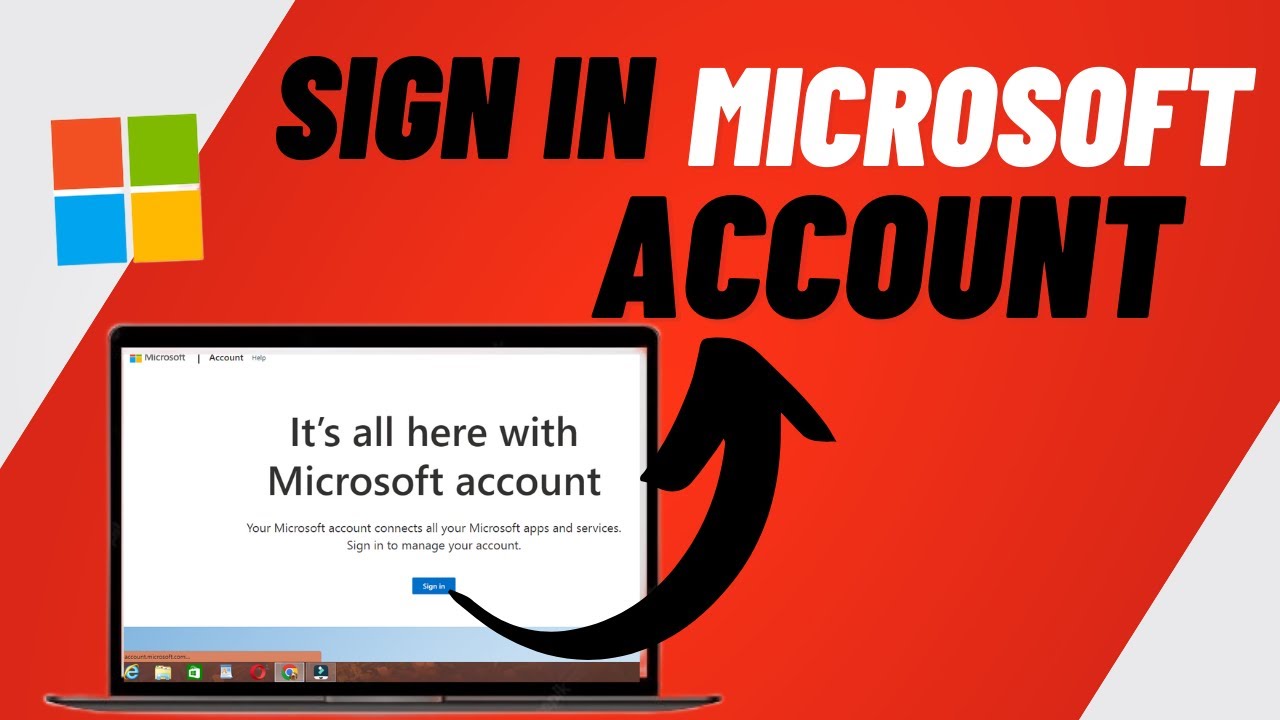
- Navigate to the Login Page: Use your preferred web browser to go to the website or application of the service you wish to access.
- Enter Your Username and Password: On the login page, input your username and password in the designated fields. Ensure that you enter them correctly, as even a small typo can prevent access.
- Enable Two-Factor Authentication (if available): Many services offer two-factor authentication (2FA) as an additional security measure. If you have enabled it, you will need to verify your identity through a secondary method, such as a text message or authenticator app.
- Click the Login Button: Once all required information is filled out, click the login button to proceed. Wait for the page to load, indicating that you are successfully logged in.
Common Issues and How to Resolve Them
While logging in is usually simple, users often encounter issues. Here are some common problems and their solutions:
- Forgotten Password: If you forget your password, most services provide a “Forgot Password?” link on the login screen. Click this link to reset your password via email or SMS.
- Locked Account: After several unsuccessful login attempts, your account may become locked. In this case, follow the service’s process to unlock your account, which may include answering security questions or contacting customer support.
- Browser Issues: Sometimes, the browser may cache old data, leading to login errors. Clearing your browser cache and cookies or trying a different browser can resolve this issue.
- Security Alerts: If you receive alerts about login attempts from unusual locations or devices, take them seriously. Change your password immediately and consider enhancing your account security settings.
Best Practices for a Secure Login
To make your online login more secure, consider the following best practices:
- Use Strong Passwords: Create a complex password that includes upper and lowercase letters, numbers, and special characters. Avoid using easily guessable information such as birthdays or names.
- Change Passwords Regularly: Regularly updating your passwords can help prevent unauthorized access, especially if you suspect a security breach.
- Avoid Public Wi-Fi: When logging into sensitive accounts, avoid using public Wi-Fi networks, which can be less secure. If absolutely necessary, use a VPN for an added layer of security.
- Stay Vigilant: Always pay attention to security notifications from your service providers and be cautious of phishing attempts trying to deceive you into providing login credentials.
Using Password Managers
Password managers can be a valuable tool for ensuring secure, organized, and efficient logins. They securely store and encrypt your passwords, allowing you to use complex passwords without needing to remember each one. Here are the benefits of a password manager:
- Automatic Password Generation: These tools can generate strong, random passwords for each of your accounts.
- Convenient Access: With a password manager, you only have to remember one master password to access all of your stored passwords.
- Enhanced Security: Many password managers offer security features, such as alerts for compromised accounts and two-factor authentication integration.
Conclusion
Logging in to your account is a fundamental aspect of your online interactions. By understanding the importance of secure logins and following best practices, you can protect yourself from cyber threats. Make sure to educate yourself on common issues and solutions to enhance your login experience further. Whether you’re accessing social media, online shopping, or banking, a secure login is essential for safeguarding your information in a digital world. Remember, staying informed and vigilant is your best defense against potential online threats.