
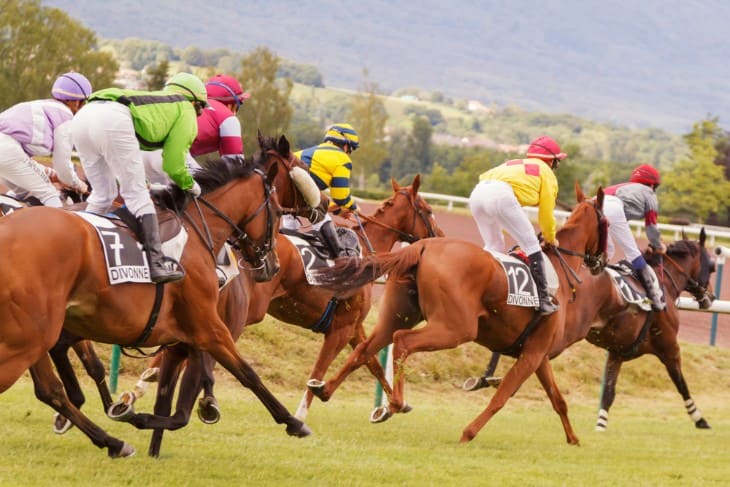
The Current Landscape of UK Horse Racing: Why It May Not Be On
Horse racing has been a significant part of the UK’s cultural heritage, with its roots deep in the history of the nation. However, there are times when this beloved sport takes a back seat, leaving fans to wonder what has happened to their favorite events. In this article, we delve into the various reasons that may lead to UK horse racing not being on, as well as provide insights on how to stay updated with the latest developments in the sport, along with resources such as UK horse racing not on GamStop https://equifacs.co.uk/ to keep you informed.
The Impact of Weather Conditions
One of the most significant factors influencing horse racing schedules in the UK is the weather. Britain’s unpredictable climate can lead to race cancellations or rescheduling. Heavy rains can make tracks unsafe for both horses and jockeys, leading to decisions that prioritize safety over the racing calendar. In recent years, weather-related cancellations have become more frequent, and many racecourses now have dedicated teams monitoring conditions to ensure that events are only conducted when it’s safe.
Health and Safety Regulations
Another crucial aspect affecting horse racing is adherence to health and safety regulations. Following incidents in the past, regulatory bodies have tightened their oversight of racing events to ensure the safety of the horses and participants. If a racecourse is deemed unsafe, or if there are incidents of equine flu or other diseases, events may be postponed or canceled altogether. Such measures, while sometimes inconvenient for fans and punters, are in place to protect the well-being of the athletes involved.
The Economic Impact of Global Events
The global landscape also affects the UK’s horse racing scene. Economic downturns, pandemics (like the recent COVID-19), and other global events can drastically alter how horse racing is conducted. During the pandemic, many races were canceled, while others were held without live audiences, drastically changing the atmosphere of the events. As the world starts to stabilize, the industry is still feeling the repercussions of these challenges, which might lead to further adjustments in the racing calendar.
Changes in Betting Regulations
The betting landscape is another area that has undergone significant changes in the UK. Stricter regulations regarding online and offline betting have been introduced to protect consumers and ensure fair play. These changes can affect attendance and participation in races, especially if the regulatory environment becomes overly restrictive. Races that rely heavily on betting revenue may find it difficult to operate, affecting the overall health of the sport.

The Role of Sponsorship and Funding
The financial backing that horse racing receives from sponsorship deals plays a crucial role in the sustainability of the sport. If major sponsors withdraw, it can have a significant impact on the ability of racecourses to operate effectively. Additionally, funding from organizations aimed at supporting horse racing is essential, and any fluctuations in this financial landscape can lead to races being called off. Thus, economic stability is intertwined with the continuity of racing events.
The Importance of Communication
In an era where information is at our fingertips, the communication strategies employed by racecourses and governing bodies are vital. Effective communication can help manage expectations and inform fans about changes in scheduling. Social media platforms have become significant tools for racecourses to keep fans updated in real-time about any changes to their events. If closely monitored, these channels can mitigate disappointment and keep audiences engaged even when events are not happening.
Understanding Race Priorities
Another point worth considering is the prioritization of certain races over others. Racecourses may sometimes choose to focus their resources on high-profile events like the Grand National or Royal Ascot, leading to smaller or less prestigious races being postponed or canceled. Understanding the hierarchy of events can help fans appreciate why some races may be temporarily shelved in favor of more lucrative or well-regarded competitions.
Future Outlook for UK Horse Racing
Despite the uncertainties, the future of UK horse racing looks promising. There are ongoing efforts to innovate the sport, including the introduction of new technologies for race analysis and data sharing. Enhanced fan engagement initiatives, including virtual experiences and interactive betting opportunities, are also being explored to attract a wider audience. While there may be times when UK horse racing isn’t on, the spirit of the sport remains alive, driven by the unwavering enthusiasm of its fans.
Conclusion
In summary, while there are numerous reasons why UK horse racing may not be on at certain times, understanding these factors can enhance our appreciation of the sport. Weather conditions, health regulations, economic impacts, and sponsorships all play a vital role in shaping the racing landscape. Fans can stay informed through resources like Equifacs and ac

tively engage with the racing community to ensure they never miss out on the excitement that horse racing has to offer.
We encourage all enthusiasts to stay connected and tuned in, as the world of horse racing is ever-dynamic and full of surprises.