
Understanding the Framework of Cuba Sanctions: A Comprehensive Overview
The complex landscape of sanctions against Cuba has long been a point of contention in international relations. These restrictions have been implemented to address various political and economic issues. This article provides comprehensive guidance on Cuba sanctions, exploring their historical context, legal framework, and implications for international trade and diplomacy.
Historical Context of Cuba Sanctions
The origins of U.S. sanctions against Cuba can be traced back to the early 1960s, during the Cold War, when the Cuban government, led by Fidel Castro, aligned itself with the Soviet Union. In response to Cuba’s nationalization of U.S. businesses and land, the U.S. imposed an economic embargo in 1960 which has evolved into one of the longest-standing sanctions regimes. The intent was to apply pressure on the Cuban government to promote political and economic reforms.
Legal Framework of Cuba Sanctions
Sanctions against Cuba are enforced primarily through the Cuban Assets Control Regulations (CACR), established under the Trading with the Enemy Act of 1917. The Office of Foreign Assets Control (OFAC), a division of the U.S. Department of the Treasury, administers these regulations. The sanctions restrict a wide array of transactions, including trade, travel, and financial dealings with Cuban entities.
Types of Sanctions
Sanctions against Cuba are multifaceted, encompassing various types of restrictions:

- Comprehensive Economic Embargo: Limits the export of goods and services to Cuba, with the exception of certain humanitarian items.
- Financial Restrictions: Prohibits U.S. financial institutions from processing transactions involving Cuban nationals or entities.
- Travel Restrictions: Limits travel to Cuba for U.S. citizens, including prohibitions on tourism.
- Restrictions on Remittances: Imposes limits on the amount of money that U.S. citizens can send to Cuban citizens.
Key Regulations and Updates
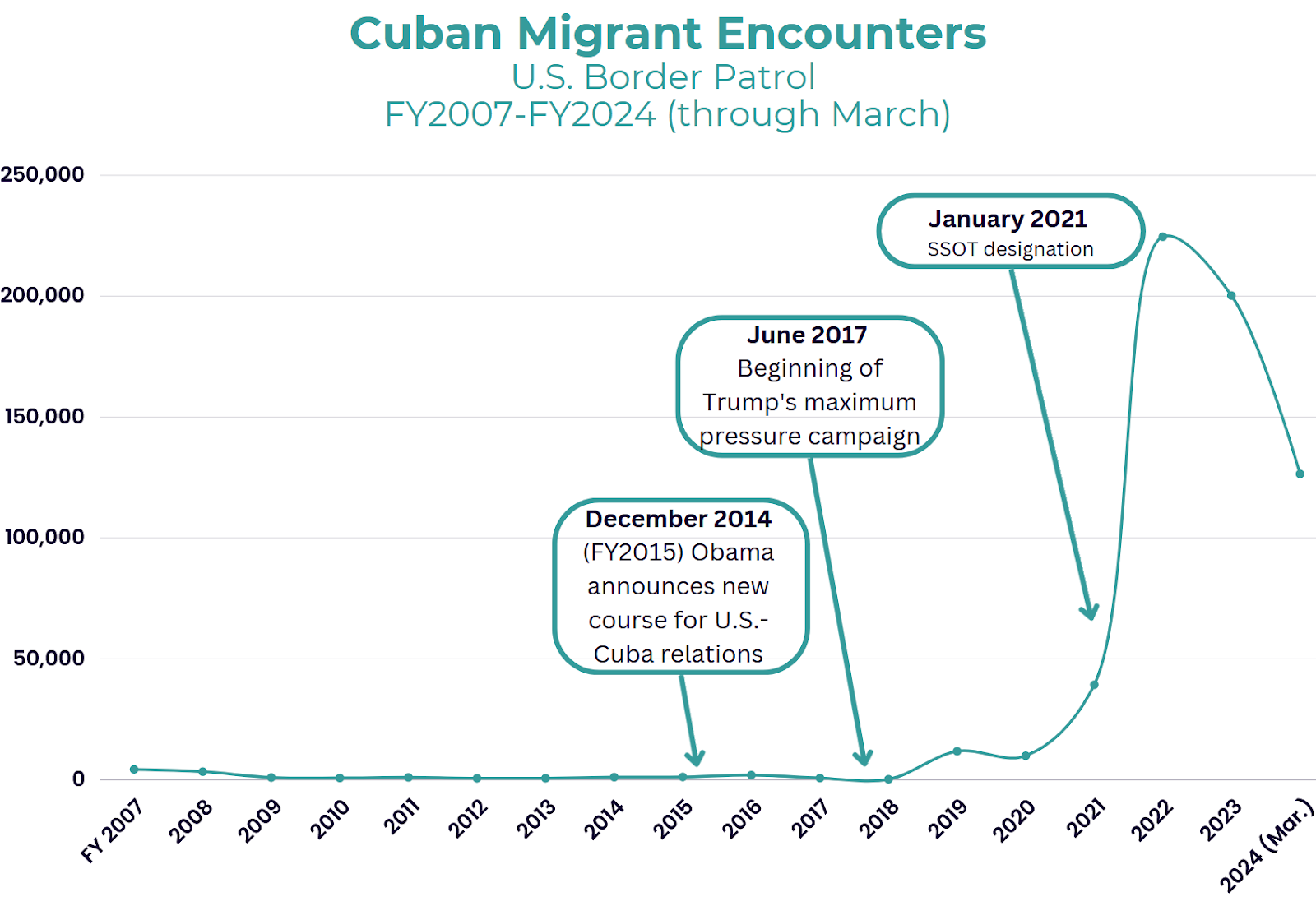
Sanctions against Cuba are not static; they have evolved significantly over the decades. The Obama administration, for instance, enacted a series of reforms in 2014 aimed at normalizing relations with Cuba, resulting in some easing of restrictions, such as the expansion of authorized travel and remittance allowances. However, the subsequent Trump administration rolled back many of these reforms, reinstating stricter measures.
Current Administration’s Position
The position of the current U.S. administration on Cuba sanctions reflects broader foreign policy objectives. As of now, there continues to be significant pressure on the Cuban government, particularly concerning human rights violations and the repression of civil society. The specifics of sanctions can change based on geopolitical developments, illustrating the dynamic nature of U.S.-Cuba relations.
Implications for International Trade
For businesses and individuals engaging in international trade, understanding the implications of Cuba sanctions is crucial. The restrictions not only affect the U.S. but also
have ramifications for foreign entities that conduct business with Cuban nationals or entities. Companies must conduct thorough due diligence to ensure compliance with U.S. sanctions to avoid substantial penalties.
Compliance Strategies
Organizations must incorporate comprehensive compliance programs to navigate the complexities of Cuba sanctions effectively. Here are some strategies:
- Risk Assessment: Conduct regular assessments to identify potential exposure to sanctions-related risks.
- Training and Education: Implement training programs for employees on the regulations surrounding Cuba sanctions.
- Legal Consultation: Engage legal expertise to ensure adherence to changing regulations.
- Monitoring and Reporting: Establish robust monitoring mechanisms to detect and report any violations promptly.
Impact on Humanitarian Efforts
While sanctions are enacted with political objectives, they can significantly impact humanitarian efforts in Cuba. Restrictions on the flow of goods and services can hinder the availability of medical supplies and food. However, U.S. regulations do allow for certain exceptions for humanitarian aid, albeit with strict compliance requirements.
Conclusion
The U.S. sanctions against Cuba represent a complex intersection of foreign policy, international relations, and human rights. Understanding the legal framework and implications of these sanctions is crucial for anyone interacting with Cuba. As the geopolitical landscape continues to shift, staying informed is essential for ensuring compliance and contributing positively to U.S.-Cuba relations.