
The Role of Luck in Casino Games
Luck is often perceived as a crucial factor in the outcomes of casino games, where unpredictable events can significantly sway results. Unlike games that involve skill and strategy, such as poker, many casino games rely heavily on chance. Slot machines, roulette, and dice games are prime examples where the randomness of outcomes can lead to considerable wins or losses based purely on luck. In recent discussions, some players are drawn to explore exciting options, including new canadian casinos, which provide different environments and experiences.
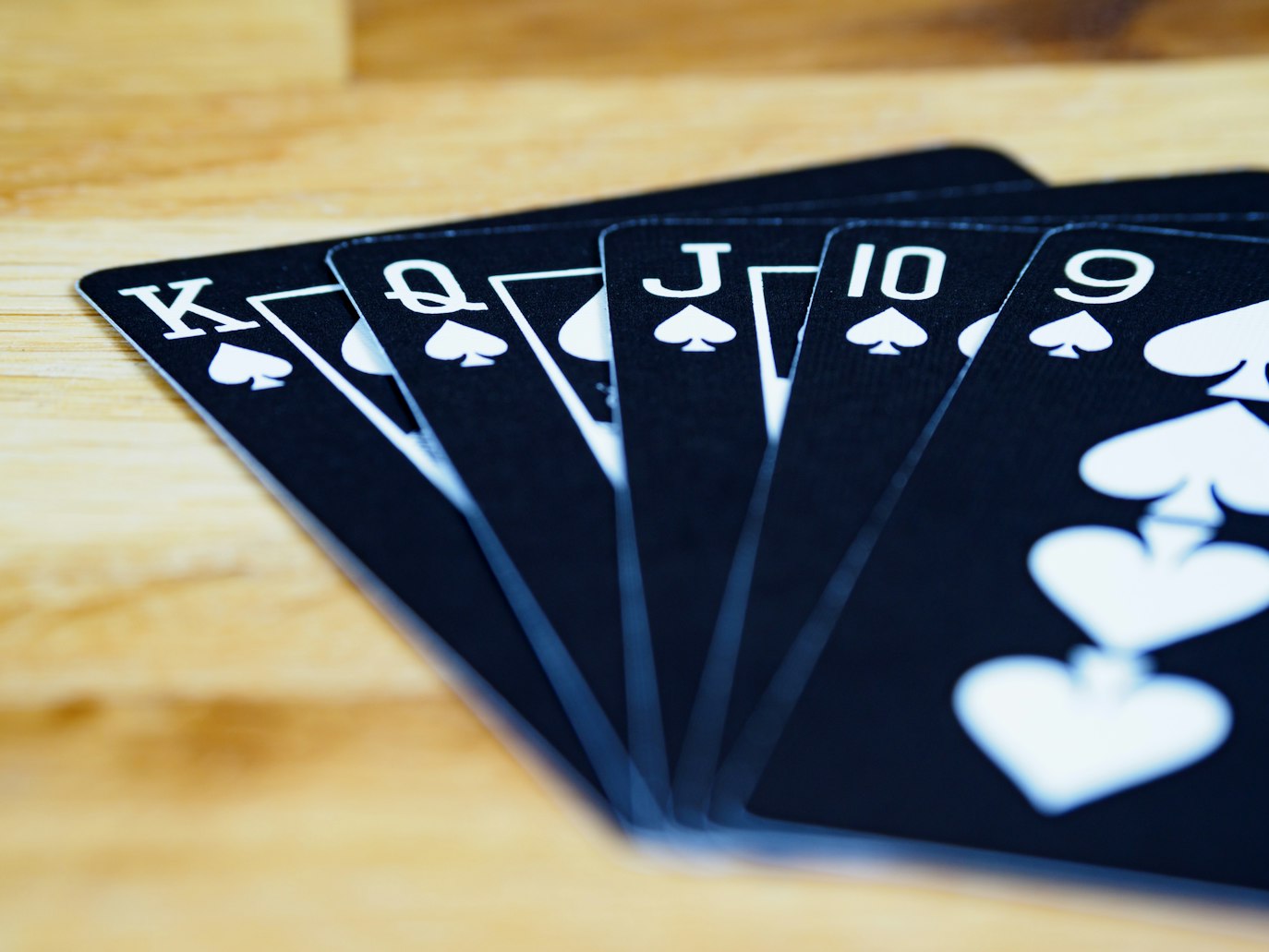
This reliance on luck creates an environment where players seek to harness this unpredictable element. Some believe that strategies or rituals can influence luck, while others simply rely on a favorable streak. However, the nature of randomness means that there are no guarantees, and many players find themselves at the mercy of fate.
The Psychology of Luck in Gambling
The psychology surrounding luck in gambling is fascinating. Players often display what is known as the “ gambler’s fallacy,” the belief that past outcomes will influence future results. For instance, after a series of losses, a player might feel that a win is ‘due,’ which can lead to riskier bets. This psychological aspect makes luck a compelling and complex element in the casino experience.
Moreover, players tend to attribute their successes to skill and their failures to bad luck. This cognitive dissonance can fuel continued play, as players hold onto the hope that their luck will eventually turn around. Understanding this psychological interplay can provide deeper insights into why individuals engage in gambling despite the inherent risks involved.
The Impact of Game Design on Luck
Casinos design their games with luck as a fundamental component, enticing players with the possibility of substantial rewards. By creating a thrilling atmosphere filled with colorful machines and dynamic tables, casinos enhance the allure of these games. The design aspect is pivotal as it engages players and amplifies the excitement surrounding luck’s role in winning.
Additionally, the odds are carefully calibrated by casinos to ensure that while players may experience wins, the house always has a statistical edge. This balance keeps players returning, as the thrill of potentially hitting a lucrative jackpot is a powerful draw, feeding the belief that luck can be a decisive factor in their gaming experience.
Luck vs. Strategy: Finding Balance in Gameplay
While luck plays a dominant role in many casino games, a balanced approach that includes strategy can enhance the overall experience. Card games like blackjack allow for strategic play that can mitigate the randomness of luck. Players can employ tactics like managing their bankroll and understanding odds to improve their chances of success.
However, it’s essential to recognize that even the best strategies cannot eliminate luck from the equation. The unpredictable nature of casino games means that all players must confront the reality of chance, making each session a true gamble. The interplay between luck and strategy highlights the complexity of gambling, suggesting that both elements are vital for a well-rounded experience.

Understanding Casino Game Access and Restrictions
As players navigate the world of casino games, they may encounter restrictions, such as age limits or geographical constraints. Platforms often implement access limitations to ensure compliance with legal regulations and promote responsible gaming. Understanding these guidelines is crucial for players looking to engage in casino games responsibly.
Additionally, players may sometimes find themselves facing a ‘403 – Forbidden’ error when attempting to access certain content related to casino games. This message serves as a reminder of the importance of permission and access rights. By being aware of such restrictions, players can foster a better understanding of the gaming landscape and navigate it more effectively, enhancing their overall experience.