
The transformation of gambling A historical journey through chance and strategy
The Origins of Gambling
The roots of gambling trace back thousands of years, with evidence found in ancient civilizations such as China, Greece, and Rome. Early forms of gambling often revolved around simple games of chance, utilizing rudimentary tools like dice and betting on outcomes of sporting events. These initial forays into gambling provided a social outlet for communities, fostering camaraderie and competition. As gaming evolved, people began to explore online casinos, showcasing a blend of traditional and emerging forms of gambling.

In ancient China, for instance, gambling was not only a pastime but also a way to engage in social interaction and strategy. Games like Keno, which are believed to have originated around 200 BC, show that even early societies had a thirst for excitement and chance. As societies evolved, so did the complexity and rules governing these games, laying the groundwork for modern gambling.
The Evolution of Gambling Through the Ages
The Middle Ages saw gambling take on new forms as games like poker and blackjack began to emerge. With the introduction of playing cards in Europe during the 14th century, a new era of strategic gambling was born. This period marked a significant shift from purely chance-based games to those that required skill and psychological insight, captivating players and creating a culture of competitive gambling.
As gambling became more formalized, the establishment of gambling houses and casinos in the 17th century allowed for regulation and organization. Cities such as Venice and Monte Carlo became hotspots for gambling enthusiasts, where individuals could partake in a variety of games under structured rules. This evolution set the stage for the modern gambling industry, attracting the wealthy and adventurous alike.
The Rise of Casino Culture
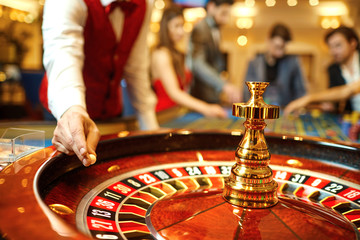
The 19th and 20th centuries witnessed a boom in casino culture, particularly in cities like Las Vegas and Atlantic City. These locations became synonymous with glamour and luxury, transforming gambling into an entertainment spectacle. The establishment of lavish casinos brought together a plethora of games, from slot machines to roulette, appealing to a diverse audience.
The advent of technology during this period also played a pivotal role in the transformation of gambling. Innovations like electronic slot machines and video poker introduced a new level of engagement, attracting players who were drawn to the thrill of instant gratification. The casino experience shifted from mere chance to an intricate blend of luck, skill, and entertainment, shaping the modern perception of gambling.
The Digital Revolution and Online Gambling
The turn of the 21st century marked a significant turning point with the rise of the internet. Online gambling platforms emerged, providing users with access to a wide array of games from the comfort of their homes. This transformation democratized gambling, allowing individuals who may have been hesitant to enter a physical casino to engage in their favorite games anonymously and conveniently.
Online gambling has also introduced innovative features such as live dealer games, mobile apps, and cryptocurrency transactions, further enhancing user experience. As technology continues to advance, the gap between online and offline gambling continues to blur, leading to an increasingly integrated gambling landscape that appeals to all types of players.
The Community and Resources Available
Today, gambling encompasses not only the thrill of chance and strategy but also a vibrant community. Various online platforms provide resources, forums, and communities for enthusiasts to share experiences and strategies. These resources have transformed how players connect and learn about gambling, fostering a sense of belonging among users.
Furthermore, modern gambling platforms prioritize user safety and security, ensuring a secure environment for all players. While the allure of chance remains a central theme, the strategic elements and community involvement continue to evolve, shaping the future of gambling as we know it. This transformation underscores the importance of adapting to new technologies and user needs in an ever-changing landscape.