
Understanding OFAC Sanctions Programs: A Comprehensive Guide
The U.S. Department of the Treasury’s Office of Foreign Assets Control (OFAC) plays a critical role in implementing and enforcing economic sanctions against countries and regimes deemed threats to national security, foreign policy, or economy. These sanctions are designed not only to achieve U.S. foreign policy objectives but also to promote global stability and peace. This article delves deep into OFAC sanctions programs, exploring how they operate, their targets, and their effects on international commerce and relations.
What Are OFAC Sanctions Programs?
OFAC sanctions programs are legal restrictions imposed by the U.S. government on certain foreign countries, individuals, or entities. These programs can be comprehensive, applying to entire nations, or targeted, aiming at specific individuals or organizations. The sanctions restrict trade, investment, and financial transactions, effectively isolating these entities from engaging in normal economic activities with U.S. persons or entities.
Objectives of OFAC Sanctions
The primary goals of OFAC sanctions are:
- National Security: To protect U.S. national interests from threats posed by hostile governments, terrorists, and criminal organizations.
- Foreign Policy: To influence the behavior of foreign entities and encourage compliance with international norms and laws.
- Human Rights: To hold accountable those who violate human rights and promote accountability and justice.
- Combatting Terrorism and Drug Trafficking: To disrupt financial networks that support terrorism, narco-trafficking, and other illicit activities.
Types of OFAC Sanctions Programs
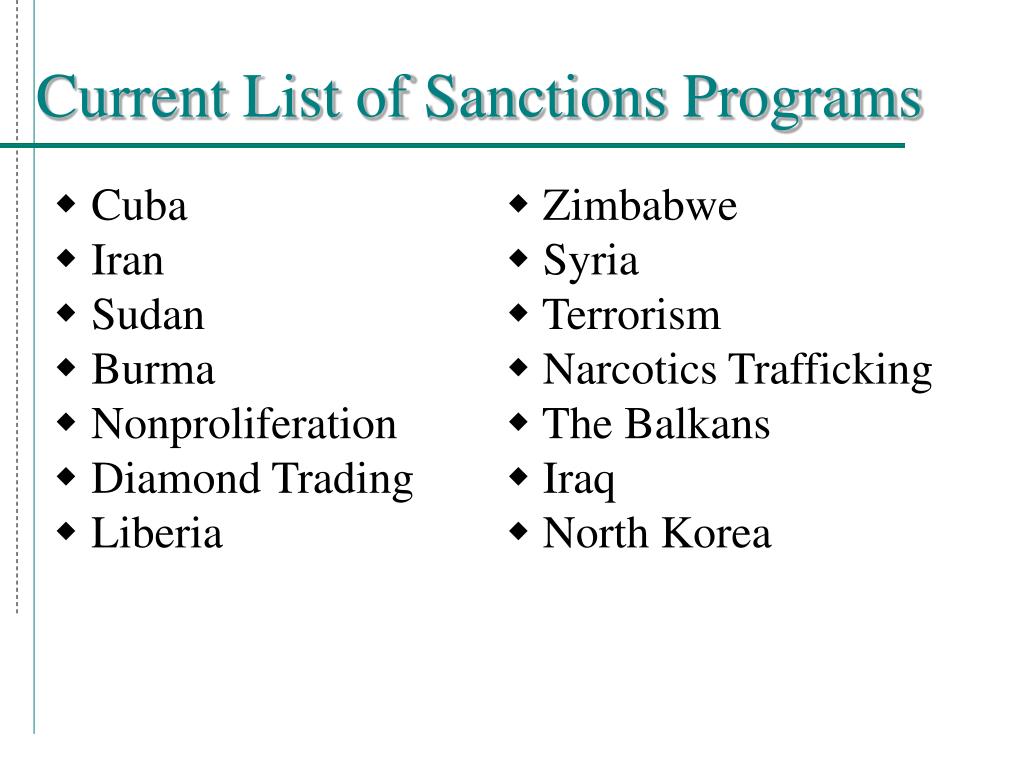
OFAC sanctions are categorized into several distinct programs, often named after the countries or entities they target. The major types include:
1. Comprehensive Sanctions
These are broad and extensive sanctions that prohibit most transactions and trade with specific countries. Examples include sanctions against North Korea and Iran. These sanctions reflect the U.S. government’s stance on issues such as nuclear proliferation, terrorism, or human rights violations.
2. Targeted Sanctions
Also known as “smart sanctions,” these target specific individuals or entities within a country, such as government officials, business leaders, or organizations believed to be involved in illegal activities. These sanctions often include asset freezes and travel bans.
3. Sectoral Sanctions
These sanctions restrict specific sectors of the economy rather than the entire economy. For example, sanctions may target the energy sector of a country, limiting access to financing or technology while allowing other sectors to engage in trade.
4. Executive Order Sanctions
These sanctions arise from executive orders issued by the President of the United States. They can be applied quickly in response to emerging threats and situations without the need for legislative approval.
Implementation and Enforcement
OFAC sanctions are enforced through various regulatory frameworks and coordinated efforts with law enforcement agencies. The sanctions list is continuously updated, and it is vital for U.S. persons and organizations to remain compliant. Failure to adhere to OFAC regulations can result in severe penalties, including fines and imprisonment.
Compliance with OFAC Sanctions
Businesses must take proactive steps to ensure compliance with OFAC sanctions. This includes conducting thorough due diligence, implementing robust compliance programs, and training employees to recognize potential sanctions-related risks. The consequences of non-compliance can extend beyond fines, potentially damaging an organization’s reputation and its relationships with partners.
International Reactions to OFAC Sanctions
The impact of OFAC sanctions extends beyond U.S. borders, influencing international trade and diplomacy. Some countries may support U.S. sanctions, while others may oppose them, leading to tensions or retaliatory measures. Many nations argue that unilateral sanctions can be seen as extraterritorial overreach, complicating international relations.
The Role of Sanctions in Global Politics
Sanctions serve as a tool of foreign policy aimed at achieving peace without resorting to military action. However, their effectiveness is often debated. While they may weaken the targeted entities or regimes economically, sanctions can also cause significant suffering among civilian populations, raising ethical questions about their use.
The Future of OFAC Sanctions Programs
As geopolitical landscapes evolve, so too will OFAC sanctions programs. Emerging threats, such as cyber warfare and global terrorism, will shape how sanctions are applied in the future. Additionally, there is a growing recognition of the need for multilateral approaches to sanctions, engaging with international allies to present a unified front against threats to global security.
Conclusion
OFAC sanctions programs represent a complex intersection of law, international relations, and ethical considerations. While they are fundamental in supporting U.S. foreign policy objectives, their implementation requires a balanced approach to ensure effectiveness while minimizing adverse effects on civilian populations. Understanding the intricacies of these programs is vital for businesses and individuals engaged in global commerce, as non-compliance can have serious ramifications.